
 admin
admin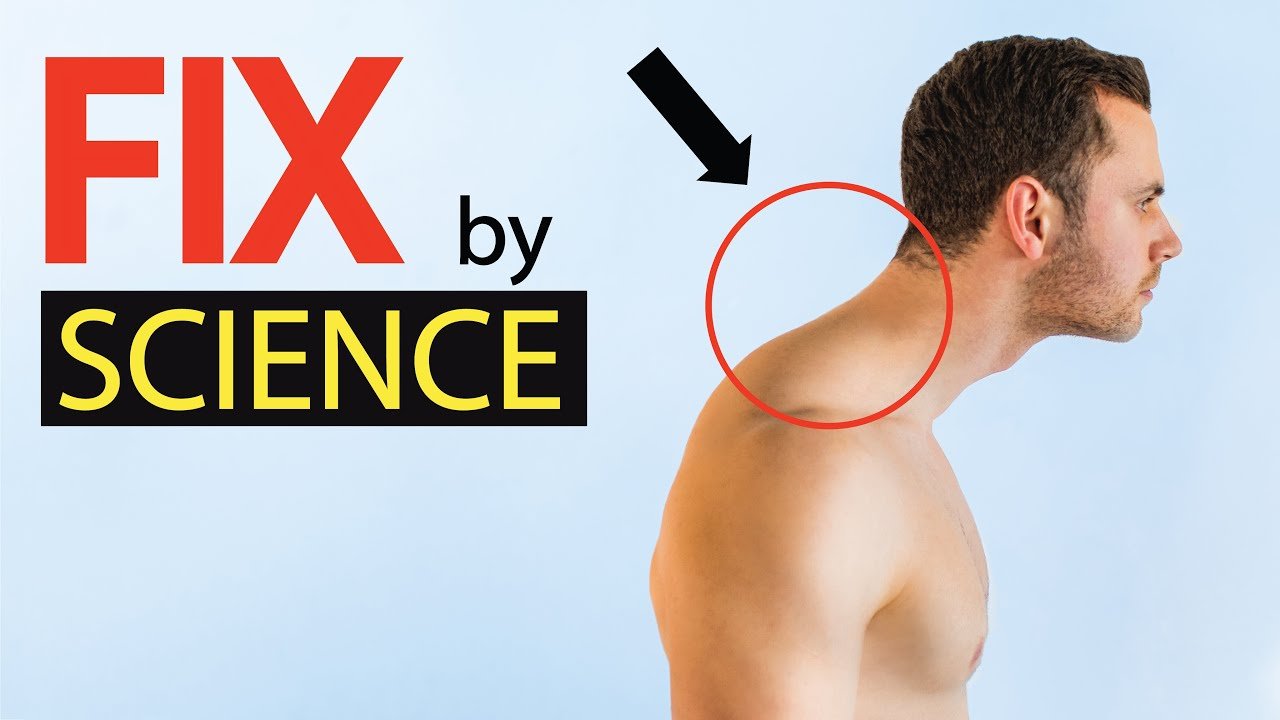
Understanding Forward Head Posture
Forward head posture (FHP) is a common condition where the head protrudes forward of the body’s midline, often resulting from poor posture habits, prolonged screen time, or muscular imbalances. This misalignment can lead to various health issues, including neck pain, headaches, and even difficulties in breathing. Recognizing the signs of FHP is essential. Symptoms may include rounded shoulders, a protruding chin, and discomfort in the neck or upper back. The first step in correcting FHP is to understand the underlying causes, which often stem from lifestyle factors such as slouching while sitting or staring at screens for extended periods. By becoming aware of these habits, individuals can begin to make conscious changes to their posture.
Strengthening Neck and Upper Back Muscles
To effectively combat forward head posture, strengthening the muscles that support the neck and upper back is crucial. Exercises such as chin tucks, wall angels, and neck extensions can help to reinforce the muscles in the upper back and neck. Chin tucks are particularly effective; they involve gently pulling the chin back towards the neck while keeping the spine straight. This simple exercise can be performed sitting or standing, making it a versatile addition to any routine. Wall angels involve standing against a wall, keeping the back flat, and raising the arms to create a “W” shape, then sliding them up to form a “Y.” This exercise helps improve shoulder mobility and upper back strength. Incorporating these strengthening exercises into a regular fitness regimen can help realign the spine and improve overall posture.
Stretching Tight Muscles
In addition to strengthening exercises, it’s essential to stretch the muscles that may be tight due to FHP. The pectoralis major and minor muscles, which are located in the chest, often become tight and contribute to the rounding of the shoulders. Regular stretching can alleviate this tightness, allowing the shoulders to retract and the head to return to a neutral position. Simple stretches, such as doorway stretches, where you place your arms on either side of a door frame and lean forward, can effectively open up the chest area. Another effective stretch is the upper trapezius stretch, which involves tilting the head to one side while holding the opposite arm down to stretch the neck and shoulder area. Consistently incorporating these stretches into your daily routine can significantly improve flexibility and alleviate discomfort associated with forward head posture.
Improving Ergonomics
Creating an ergonomic workspace can play a significant role in correcting forward head posture. Many people spend hours working at desks or using devices without considering their posture. To promote a healthier alignment, ensure that your computer monitor is at eye level, so you don’t have to tilt your head down or forward. An ergonomic chair that supports the lower back can also help maintain proper spinal alignment. When using devices like smartphones or tablets, try to hold them at eye level instead of looking down. Additionally, consider using a standing desk or taking regular breaks to stretch and move around. By making these adjustments to your workspace and daily habits, you can create a more posture-friendly environment that reduces the likelihood of developing FHP.
Consistency and Mindfulness in Posture Correction
Correcting forward head posture requires consistency and mindfulness. It’s not enough to do exercises and stretches sporadically; incorporating these practices into your daily routine is vital for long-term improvement. Being mindful of your posture throughout the day can help reinforce good habits. For example, set reminders on your phone or use apps designed to promote good posture. Regularly check in with your body to assess your alignment, especially when sitting or standing for prolonged periods. Additionally, consider seeking guidance from a physical therapist or chiropractor who can provide personalized exercises and recommendations based on your specific needs. With dedication and awareness, it is possible to correct forward head posture and significantly improve your overall health and well-being.how to fix forward head posture
